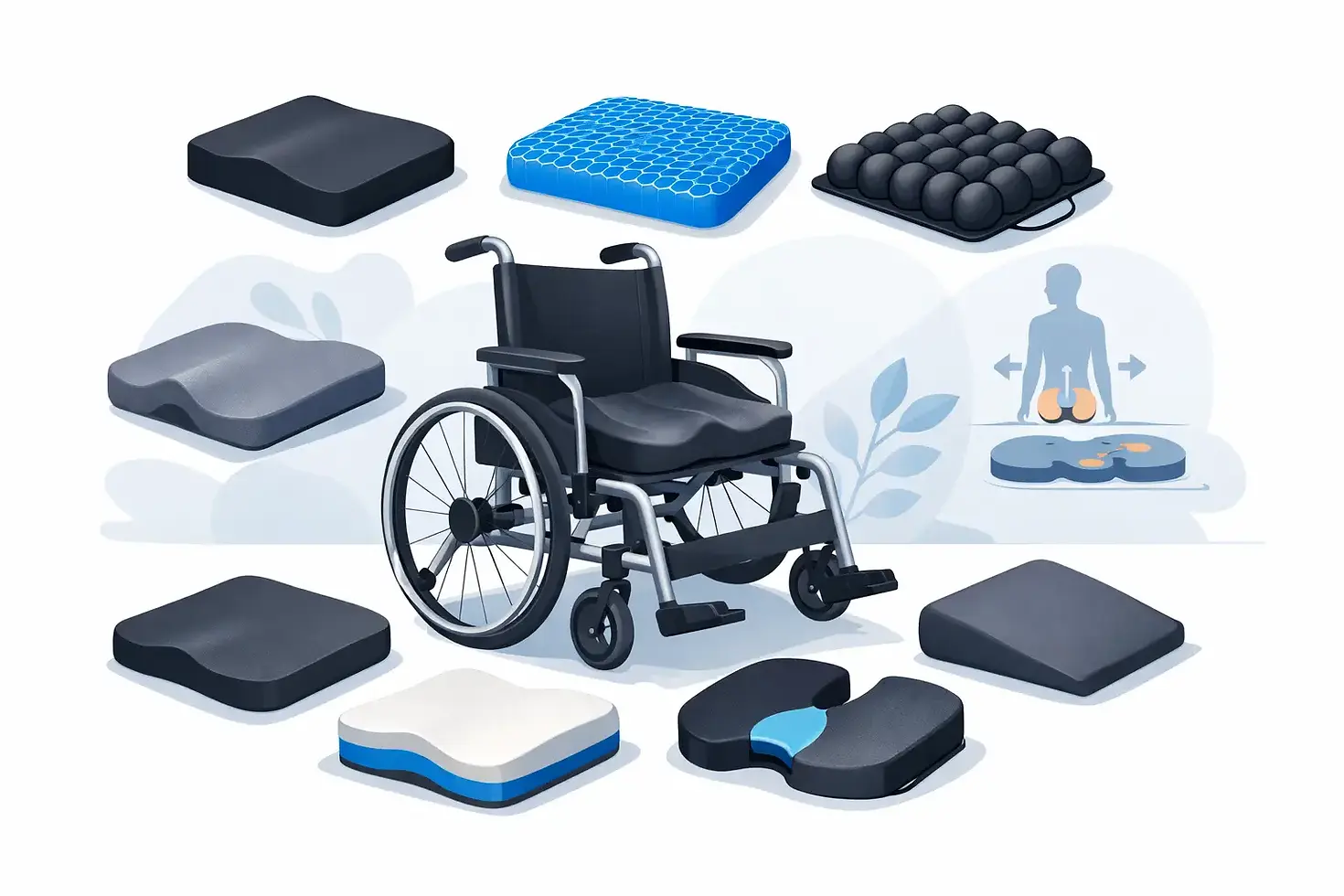
7 Best Wheelchair Cushions for Pressure Relief
A wheelchair cushion can make the difference between getting through the day comfortably and spending hours shifting, aching, or worrying about skin breakdown. When people ask about the best wheelchair cushions for pressure relief, they are usually not looking for a fancy add-on. They need something that protects skin, supports posture, and helps them stay as independent as possible.
That matters even more for older adults, people with limited sensation, and anyone who sits for long periods due to weakness, respiratory illness, or reduced mobility. Pressure injuries can develop faster than many families expect, especially when heat, moisture, poor positioning, or fatigue are part of the picture. The right cushion helps reduce that risk, but the best choice depends on the person using it.
What makes the best wheelchair cushions for pressure relief?
Pressure relief is only one part of the decision. A cushion also needs to fit the wheelchair correctly, support a stable seated position, and work with the user's daily routine. A person who transfers independently may need a very different cushion than someone who spends most of the day in one chair and needs caregiver assistance.
In practice, the best wheelchair cushions for pressure relief usually do three things well. They spread body weight over a larger surface area, reduce peak pressure around bony areas like the tailbone and hips, and help keep the pelvis in a safer, more balanced position. If a cushion relieves pressure but leaves someone leaning, sliding forward, or struggling to breathe comfortably, it may not be the right long-term option.
Material also matters. Foam, gel, air, and hybrid designs each solve different problems. None is perfect for everyone, which is why trade-offs are part of a good recommendation.
7 wheelchair cushion types worth considering
1. High-density foam cushions
High-density foam is often the most familiar starting point. These cushions are lightweight, usually easy to handle, and can provide reliable comfort for people with mild to moderate pressure relief needs.
Foam works well when someone needs basic support and a stable surface for transfers. It is often a practical option for shorter sitting periods or for users who do not have a history of skin breakdown. The downside is that foam can compress over time. Once it loses shape, it also loses some of its protective value.
2. Contoured foam cushions
A contoured foam cushion adds positioning support to standard foam pressure relief. The shape helps guide the pelvis and thighs into a more stable posture, which can reduce sliding and improve sitting tolerance.
For many seniors and long-term wheelchair users, that extra positioning support is important. Better alignment can improve comfort through the hips, back, and even the upper body. For some people with respiratory limitations, more stable positioning may also make it easier to conserve energy while sitting upright.
3. Gel cushions
Gel cushions are often chosen for their cooling feel and ability to redistribute pressure. They can be especially helpful for users who need more protection under high-risk areas but still want a fairly familiar sitting surface.
The trade-off is weight. Gel cushions are usually heavier than foam, and if the gel shifts or wears unevenly, performance may change. Some users love the feel of gel. Others find it less supportive for longer periods if the base underneath is not strong enough.
4. Air cell cushions
Air cell cushions are widely used for people at higher risk of pressure injuries. Instead of relying on dense material alone, they use interconnected air cells to better immerse the body and reduce concentrated pressure points.
These cushions can be very effective, but they require attention. Air level matters. If inflation is off, the cushion may not provide the intended protection. Some users and caregivers are comfortable with that maintenance. Others prefer something more straightforward, especially if daily equipment tasks already feel overwhelming.
5. Hybrid cushions
Hybrid cushions combine materials, often foam and air or foam and gel, to balance pressure relief, stability, and ease of use. This middle-ground approach can work well for users who need more protection than standard foam but do not want the management demands of a fully air-based system.
A good hybrid cushion can offer a stable base for transfers with extra relief under the pelvis. For many families, that balance is what makes hybrid models a strong long-term option.
6. Honeycomb or cellular cushions
These cushions use flexible open-cell structures to distribute weight and allow airflow. They are often chosen when heat and moisture are concerns, since airflow can help the sitting surface stay more comfortable.
They may be a good match for active users or people in warmer home environments. Still, comfort is personal. Some people appreciate the lighter, springy feel, while others want a denser and more supported surface.
7. Bariatric pressure relief cushions
For users who need higher weight capacity, a bariatric cushion is not just a larger version of a standard product. It needs to maintain pressure redistribution and structural support without bottoming out.
Fit becomes especially important here. If the cushion is too narrow, too soft, or poorly matched to the wheelchair frame, pressure and positioning problems can increase rather than improve.
How to match a cushion to the person, not just the chair
The best choice usually starts with four questions. How long will the person sit each day? Is there a history of redness, skin breakdown, or pressure injuries? Can the user shift weight independently? And does the person need extra positioning support through the pelvis, trunk, or legs?
Someone who sits for brief outings may do well with a supportive foam cushion. Someone who remains seated most of the day, has reduced sensation, or cannot perform weight shifts may need a more protective surface, such as air or a hybrid design. If posture is already compromised, pressure relief alone is not enough. The cushion should also help prevent leaning, pelvic tilt, or sliding forward.
Caregiver routine matters too. A cushion that requires frequent adjustment may not be realistic in every home. The best clinical option on paper is not always the best daily-life option if it becomes difficult to maintain.
Signs a wheelchair cushion is not working well
A cushion should not cause new discomfort or make transfers harder. If someone starts complaining of tailbone pain, numbness, thigh pressure, or feeling unstable in the chair, it is worth taking a closer look.
Visible warning signs matter just as much. Redness that does not fade, increased sliding, uneven sitting posture, or a cushion that looks flattened or misshapen can all signal that support is no longer adequate. Sometimes the issue is the cushion itself. Other times it is the fit between the cushion, the wheelchair, and the user.
It is also common for needs to change over time. A cushion that worked well a year ago may not be enough after a hospital stay, weight change, decline in strength, or change in skin condition.
Cushion fit and pressure relief go together
Even the best pressure relief material will underperform if the cushion size is wrong. Width and depth should match both the user and the wheelchair frame. A cushion that is too small can create high-pressure areas. One that is too large may affect posture, arm support, and safe transfers.
Seat height matters too, especially for foot positioning and transfer safety. If a new cushion changes sitting height significantly, it can alter knee angle, foot contact, and overall balance. That is one reason cushion selection often benefits from hands-on guidance rather than guesswork.
For patients and caregivers managing mobility needs at home, practical support matters. A trusted equipment provider can help look at comfort, skin risk, positioning, and day-to-day use together instead of treating the cushion as a simple accessory.
When to ask for professional help
If a wheelchair user has had a pressure injury, has limited sensation, cannot reposition independently, or spends most of the day seated, cushion selection should be taken seriously. The same is true when someone has noticeable posture changes, ongoing discomfort, or increasing caregiver concerns about skin integrity.
In those situations, a more individualized assessment can help avoid trial and error. For families in Northeast Alabama, working with a local provider such as Transcend Medical may offer added value because equipment questions, fit concerns, and replacement needs can be addressed with practical home-use realities in mind.
The right cushion should support more than sitting. It should protect skin, improve comfort, and make daily life feel more manageable. When a person can sit with less pain, less shifting, and more confidence, that is not a small improvement. It is one more way to preserve dignity and independence at home.


Comments