Durable Medical Equipment Respiratory Therapy
Updated: May 5
When breathing gets harder at home, small equipment decisions can shape the entire day. The right durable medical equipment respiratory therapy setup can ease shortness of breath, improve sleep, support safer mobility, and help patients stay more comfortable in familiar surroundings. For people living with COPD, chronic respiratory conditions, or sleep-related breathing issues, that support is not just clinical - it is deeply personal.
Understanding Durable Medical Equipment Respiratory Therapy
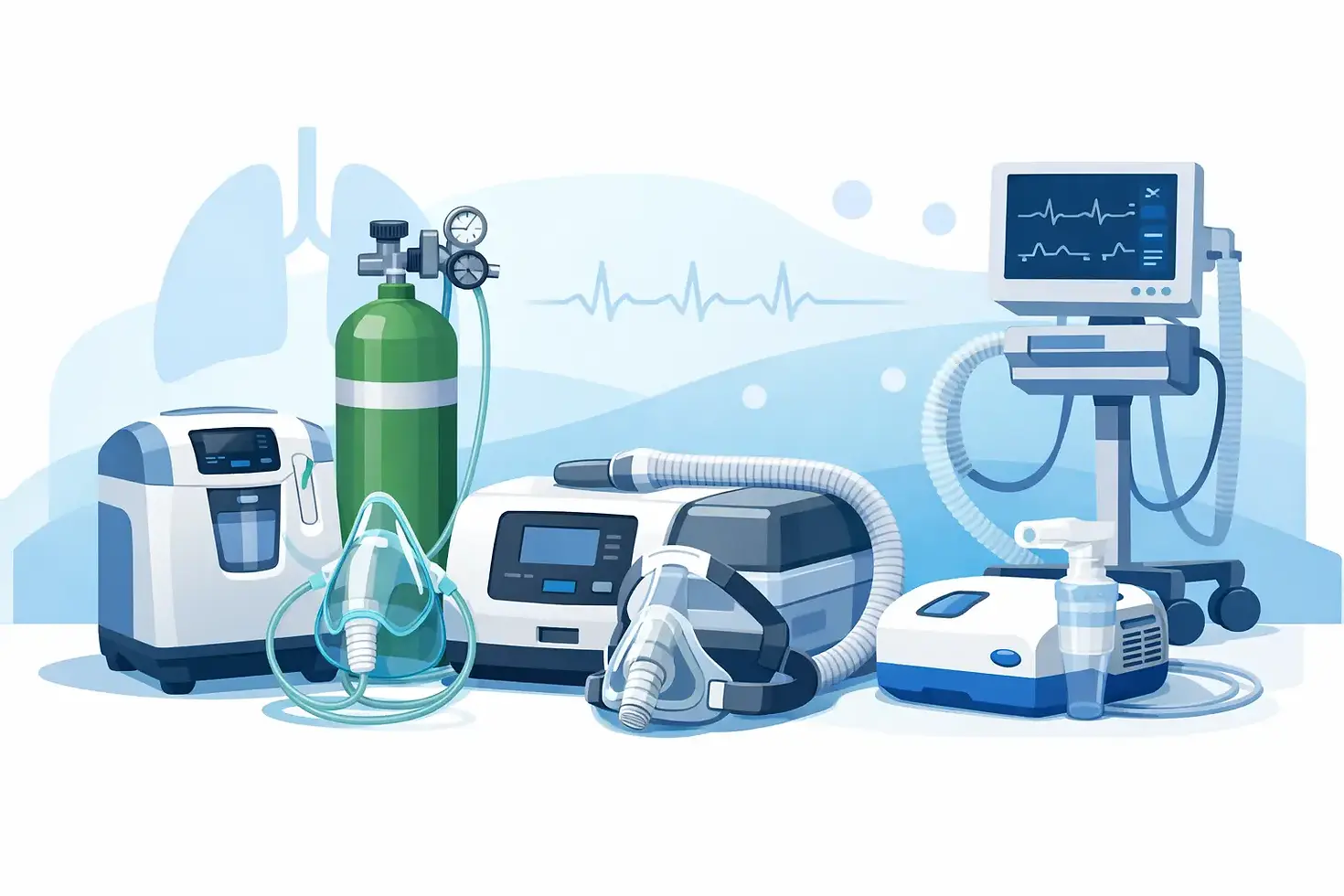
The phrase durable medical equipment respiratory therapy refers to home-use medical equipment designed to support breathing over time, not just during a short-term illness. These devices and supplies are built for repeated daily use, often as part of an ongoing care plan. In practical terms, this may include oxygen equipment, non-invasive ventilation, CPAP or BiPAP support, nebulizers, suction equipment, pulse oximeters, and related accessories that help patients breathe more effectively at home.
What matters most is not the label itself, but what the equipment allows someone to do. Good respiratory equipment can make it easier to get dressed without stopping to catch your breath, rest more comfortably at night, or move through the house with less strain. For caregivers, it can reduce uncertainty and make day-to-day care feel more manageable.
Why Choosing the Right Equipment Matters at Home
Respiratory care changes when a patient leaves the clinic or hospital. At home, treatment must fit real life. Equipment needs to work in bedrooms, living rooms, and kitchens. It must be usable by patients who are tired, caregivers who are juggling multiple responsibilities, and families who need clear guidance rather than technical jargon.
That is why fit, comfort, and support matter as much as the device itself. A machine can be clinically appropriate and still fail in practice if the mask is uncomfortable, the setup is confusing, or the patient feels overwhelmed. The goal is not simply to place equipment in the home. The goal is to make therapy workable enough that it becomes part of a sustainable routine.
There are trade-offs, and they are worth acknowledging. Some patients need a more advanced level of support, but they may also need extra education and follow-up to use it well. Others may prefer simpler equipment, but simpler does not always mean sufficient. Respiratory care is rarely one-size-fits-all.
Common Types of Respiratory Durable Medical Equipment
Oxygen Equipment
For patients with low oxygen levels, home oxygen equipment can be central to daily stability. Depending on the care plan, this may involve stationary oxygen concentrators for home use, portable systems for travel outside the home, and supplies that support safe delivery. The right arrangement depends on lifestyle, prescribed flow rate, and how often the patient leaves home.
Some people need oxygen mainly with activity. Others need it during sleep or throughout the day. That difference affects which equipment makes sense. A setup that works well for a mostly homebound patient may be frustrating for someone who wants to attend church, family gatherings, or medical appointments with less disruption.
Non-Invasive Ventilation and Sleep Therapy
Non-invasive ventilation can provide important support for patients whose breathing muscles need help or whose lungs are not exchanging air efficiently. CPAP and BiPAP equipment may also be used in sleep-related breathing conditions when overnight support improves oxygenation, comfort, and rest.
This category often involves an adjustment period. Masks may need to be changed, humidity settings may need to be fine-tuned, and patients may need reassurance that getting used to therapy takes time. When support is available during that transition, long-term success is much more likely.
Nebulizers and Medication Delivery
Nebulizers help deliver prescribed medication directly into the lungs. For many respiratory patients, they are a familiar part of flare-up management or routine treatment. They are often straightforward to use, but cleaning and maintenance matter. A neglected nebulizer setup can create problems that are easy to prevent with good instruction.
Monitoring and Airway Support Equipment
Pulse oximeters, suction equipment, and related respiratory support tools can also play an important role in home care. These are not always used by every patient, but when they are needed, they help families respond more confidently. Monitoring does not replace medical judgment, but it can provide useful information about when symptoms are changing and when more help may be needed.
Choosing Equipment Based on the Patient, Not Just the Diagnosis
A diagnosis points the way, but it does not tell the whole story. Two people with COPD may need very different equipment plans depending on their strength, mobility, home layout, and support system. Someone who lives alone may need a simpler setup with easy-to-manage controls. Someone with a dedicated caregiver may be able to manage more involved therapy with confidence.
Comfort deserves more attention than it sometimes gets. If equipment causes skin irritation, disrupts sleep, feels heavy, or limits movement more than expected, adherence can drop quickly. That is not a patient failure. It usually means the plan needs adjustment.
The home environment matters too. Space constraints, electrical access, storage, and the ability to safely move equipment from room to room all influence what will work best. These details can seem minor at first, but they often determine whether therapy feels practical after the first week.
Support Makes Durable Medical Equipment Respiratory Therapy More Effective
Home respiratory care is not just about delivery. Ongoing support is what turns equipment into actual care. Patients and caregivers benefit from knowing who to call when a mask does not fit, when tubing needs replacement, or when a new symptom raises concern.
That local, hands-on support can be especially valuable for people managing chronic illness over the long term. A dependable provider helps bridge the gap between the prescription and everyday use. For families in Northeast Alabama, that kind of service can make respiratory therapy feel less intimidating and more achievable.
Healthcare professionals also benefit when equipment coordination is reliable. Discharge planning, chronic care management, and follow-up treatment all work better when there is confidence that the patient will receive appropriate respiratory equipment and practical guidance at home.
Questions to Consider Before Bringing Equipment Home
Before bringing respiratory equipment into the home, it helps to ask a few grounded questions. How will this equipment fit into the patient’s routine? What daily maintenance is required? What signs suggest the setup needs adjustment? And who provides support if there is a problem after the initial delivery?
It is also worth asking about comfort from the beginning. If a therapy option seems difficult to tolerate, that concern should be addressed early rather than pushed aside. Most successful home respiratory care plans improve over time through small adjustments, not through perfection on day one.
Caregivers should feel included in this process. They are often the ones helping manage cleaning, supply changes, mobility concerns, and symptom monitoring. Clear instructions reduce stress and help everyone feel more prepared.
When Respiratory Equipment Improves More Than Breathing
One of the most meaningful things about home respiratory equipment is that its benefits often extend beyond lung function. Better breathing can support better sleep. Better sleep can improve energy, mood, and concentration. Reliable oxygen or ventilation support can help patients conserve strength for meals, conversation, or short walks around the home.
Independence also matters. Many patients are not just trying to manage a condition. They are trying to keep living their life with as much dignity and normalcy as possible. Equipment that supports that goal has real value, even when the improvement seems modest from the outside.
This is where a service-focused approach matters. The right provider sees equipment not as inventory, but as part of someone’s daily well-being. At Transcend Medical, that kind of respiratory-focused home support is built around comfort, continuity, and practical help patients can actually use.
Durable Medical Equipment Respiratory Therapy: An Ongoing Care Relationship
Respiratory needs can change. A patient may need different oxygen use during recovery, more support during a flare-up, or a better-fitting interface after weeks of discomfort. That is normal. Durable medical equipment respiratory therapy works best when it is treated as an ongoing care relationship rather than a one-time transaction.
For patients, families, and referring clinicians, that means looking for more than equipment availability alone. It means choosing support that respects the realities of chronic illness, values patient comfort, and helps home care remain safe and realistic over time.
Breathing support at home should feel steady, clear, and within reach - because when the right equipment is matched with the right guidance, everyday life can become easier in the ways that matter most.
---wix---


Comments