Essential Senior Mobility Aids for a More Independent Life
- randyhunter256
- Mar 23
- 4 min read
When it comes to maintaining independence and comfort at home, having the right mobility aids can make all the difference. As someone who has worked closely with individuals facing respiratory and mobility challenges, I understand how important it is to find solutions that truly improve quality of life. Whether you or a loved one are navigating new mobility hurdles or looking for ways to stay active and safe, this guide will walk you through essential senior mobility aids that can help you move with confidence.
Understanding Senior Mobility Aids and Their Importance
Mobility aids are devices designed to assist people who have difficulty walking or moving around. For seniors, these aids are not just tools; they are gateways to independence, safety, and comfort. From simple canes to more advanced walkers and wheelchairs, each aid serves a unique purpose depending on the level of support needed.
At our local home medical equipment provider, we see firsthand how the right mobility aid can transform daily life. It’s not just about getting from point A to point B; it’s about feeling secure, reducing the risk of falls, and maintaining an active lifestyle. If you’re exploring options, it’s important to consider your specific needs, home environment, and lifestyle.
Here are some common types of senior mobility aids:
Canes: Ideal for those who need minimal support or help with balance.
Walkers: Provide more stability and support than canes, especially for those with weaker legs.
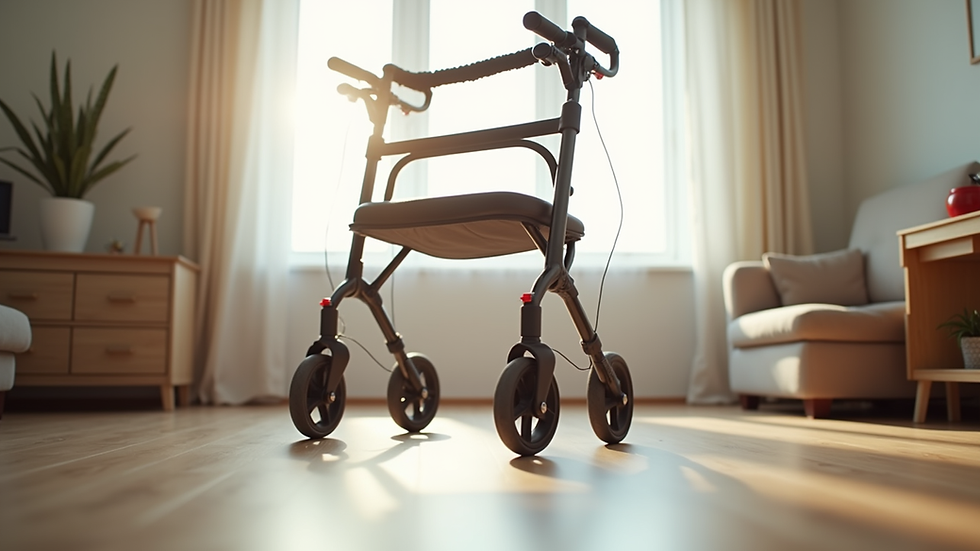
Rollators: Walkers with wheels and a seat, perfect for longer distances and resting when needed.
Wheelchairs: For those who require significant assistance with mobility.
Choosing the Right Senior Mobility Aids for Your Needs
Selecting the right mobility aid can feel overwhelming, but breaking it down into simple steps helps. First, assess your current mobility level and any specific challenges you face. For example, do you struggle with balance, endurance, or joint pain? Do you need help indoors, outdoors, or both?
Here are some tips to guide your choice:
Evaluate your balance and strength: If you have mild balance issues, a cane might suffice. For more significant balance or strength concerns, a walker or rollator could be better.
Consider your living space: Narrow hallways or small rooms might require a compact walker or cane.
Think about your daily activities: If you enjoy walking longer distances, a rollator with a seat can provide rest breaks.
Consult a professional: A physical therapist or medical equipment provider can help you try different aids and find the best fit.
Remember, comfort and safety are key. The right mobility aid should feel stable, easy to use, and suited to your lifestyle.

What is the Best Mobility Aid for Poor Balance?
Poor balance is a common challenge that can increase the risk of falls and injuries. When balance is a concern, choosing the right mobility aid is crucial for safety and confidence.
In my experience, walkers and rollators are often the best options for those struggling with balance. Here’s why:
Walkers provide four points of contact with the ground, offering maximum stability. They are especially helpful indoors or on flat surfaces.
Rollators have wheels on the front legs, making them easier to push while still providing support. They also come with brakes and a seat, which is great for resting during longer walks.
Canes can help with minor balance issues but may not provide enough support for significant instability.
When selecting a mobility aid for poor balance, look for features like:
Adjustable height for proper posture
Non-slip grips and tips
Lightweight but sturdy frames
Easy-to-use brakes (for rollators)
It’s also important to practice using the aid under supervision until you feel confident. Sometimes, combining mobility aids with balance exercises or physical therapy can enhance stability even further.
Practical Tips for Using Mobility Aids Safely and Effectively
Once you have your mobility aid, using it correctly is essential to maximize benefits and prevent accidents. Here are some practical tips I always share with those I assist:
Adjust the height: Your mobility aid should be adjusted so your elbows bend slightly when holding it. This helps maintain good posture and reduces strain.
Wear proper footwear: Shoes with non-slip soles and good support improve stability.
Clear your home: Remove loose rugs, clutter, and cords that could cause tripping.
Use ramps and handrails: These additions make moving around safer and easier.
Take your time: Don’t rush when walking with your aid. Slow, steady steps reduce the risk of falls.
Regular maintenance: Check your mobility aid for wear and tear, especially rubber tips and brakes.
If you’re unsure about your technique, ask a healthcare professional for guidance. They can provide personalized advice and training.
How Mobility Aids Enhance Quality of Life
The right mobility aid does more than just help you walk. It opens doors to social activities, hobbies, and everyday tasks that might otherwise feel daunting. When you feel secure moving around, your confidence grows, and so does your independence.
At Transcend Medical, we are passionate about helping you find the perfect mobility aids for seniors that fit your unique needs. We believe that compassionate, personal care is the foundation of improving quality of life. Whether you need assistance choosing a device or support with maintenance, we’re here to help every step of the way.
If you want to explore options or have questions, don’t hesitate to reach out. Together, we can find solutions that empower you to live comfortably and confidently.
For more information on mobility aids for seniors, visit our website or stop by our local store.
I hope this guide helps you feel more informed and ready to take the next step toward greater mobility and independence. Remember, the right support can make all the difference in your daily life. Let’s work together to find what works best for you.


Comments