Non Invasive Ventilation at Home Explained
When breathing gets harder at night, simple tasks can start feeling heavier during the day too. For many people living with COPD, neuromuscular conditions, or other chronic respiratory problems, non invasive ventilation at home can help reduce that strain and make daily life feel more manageable.
This kind of support is not the same as emergency ventilation in a hospital. It is a home-based therapy that helps move air in and out of the lungs using a mask and a machine, without the need for an invasive airway. That distinction matters, because the goal at home is often comfort, stability, and better day-to-day function rather than crisis care.
What non invasive ventilation at home actually means
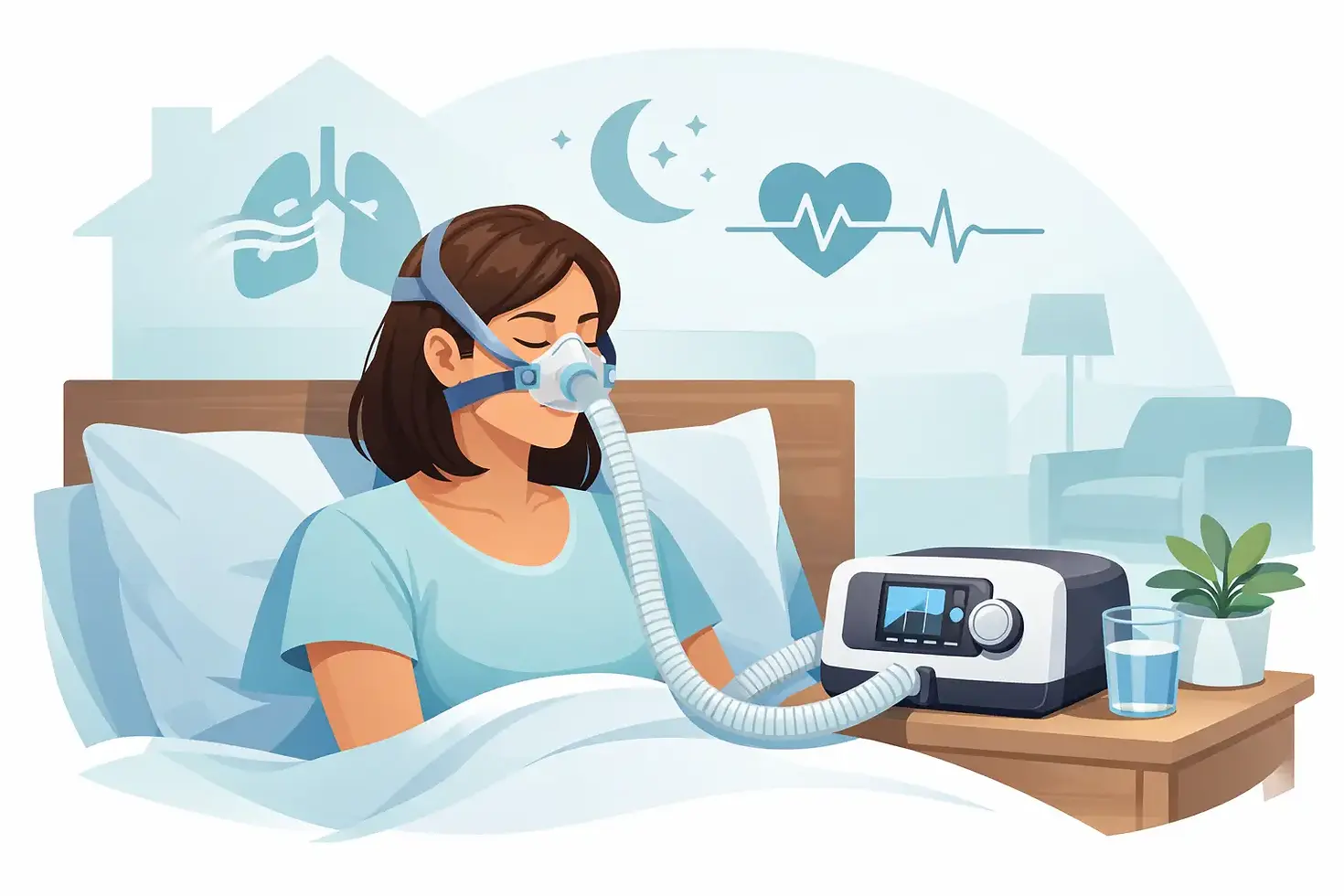
Non invasive ventilation at home usually refers to a machine that delivers pressurized air through a mask worn over the nose, or the nose and mouth. The machine supports breathing by helping the lungs take in enough air and, in many cases, by reducing the work the breathing muscles have to do.
For some patients, this support is used mostly during sleep. That is often when breathing problems become more noticeable, especially if the body retains carbon dioxide overnight or if breathing becomes too shallow. Others may need the device during parts of the day as well, depending on their condition and their provider's recommendations.
The term can sound technical, but the practical purpose is straightforward. Home ventilation support can help a person sleep more comfortably, wake up feeling less fatigued, and avoid some of the exhaustion that comes from working hard to breathe around the clock.
Who may benefit from non invasive ventilation at home
This therapy is often prescribed for people with chronic respiratory failure, advanced COPD, certain neuromuscular disorders, chest wall disorders, or other conditions that weaken breathing over time. It may also be part of care after a hospitalization, when a provider wants to support more stable breathing at home.
That said, not every patient with shortness of breath needs non-invasive ventilation. Some people do well with oxygen therapy alone. Others may need sleep therapy for obstructive sleep apnea rather than a ventilation device. In some cases, a patient may need both oxygen and ventilatory support, but those serve different purposes.
Oxygen increases the amount of oxygen available to the body. Ventilation support helps the body move air more effectively. A person can have low oxygen, poor ventilation, or both. That is why a careful clinical assessment matters. The right equipment depends on the reason breathing is impaired, not just the symptom of feeling short of breath.
How it can improve comfort and independence
The best measure of home respiratory equipment is not how advanced it looks. It is whether it helps someone live with less strain. When non invasive ventilation at home is a good fit, patients often notice that mornings feel less overwhelming. They may wake with fewer headaches, less fogginess, and less daytime sleepiness.
For caregivers, the change can also be meaningful. Better-supported breathing at night may lead to fewer urgent episodes, fewer calls for reassurance, and a steadier daily routine. That does not mean the adjustment is always easy, but it can make home care feel more sustainable.
There is also a quality-of-life piece that deserves attention. Many patients want support that helps them stay in familiar surroundings, keep more control over their routines, and preserve dignity while managing a chronic illness. Home ventilation can be one part of that picture when it is properly prescribed, fitted, and supported.
What to expect when starting home ventilation
Starting ventilation at home usually takes some adjustment. The first challenge is often the mask. Even when the device settings are right, a mask that feels awkward, leaks air, or creates pressure on the skin can make therapy harder to tolerate.
That is why fit and follow-up matter so much. A patient may need time to get used to the sensation of pressurized air. Some people adapt quickly. Others need a slower process, such as wearing the mask for short periods while awake before using it through the night.
Dryness, mild skin irritation, and feelings of claustrophobia can happen, especially in the beginning. These problems do not always mean the therapy is wrong. Often, they mean something needs to be adjusted. A different mask style, humidification, strap changes, or better education on how to apply the equipment can make a major difference.
Non invasive ventilation at home and caregiver support
Caregivers are often part of the success of this therapy, especially when a patient is older, weak, or adjusting after a hospital stay. They may help with cleaning, checking the mask fit, noticing changes in comfort, and encouraging regular use.
What caregivers need most is clear guidance. They should know how the equipment is supposed to work, what normal use looks like, and when something seems off. For example, frequent mask leaks, new skin breakdown, unusual daytime confusion, or increasing discomfort should not be ignored.
At the same time, caregivers should not feel that they need to become respiratory specialists overnight. A dependable home equipment partner can help bridge that gap by offering practical instruction and ongoing support, especially when questions come up after the first few nights at home.
Common concerns patients have
One of the most common worries is whether using ventilation means a condition has become severe. Sometimes it does reflect progression, but that is not the only reason it may be prescribed. In many cases, it is a proactive step to support breathing earlier, improve sleep quality, and reduce the physical burden of chronic respiratory disease.
Another concern is comfort. Patients often wonder whether they will ever get used to sleeping with a mask and machine. The honest answer is that it depends. Some adjust within days, while others need more troubleshooting and encouragement. Comfort is not automatic, but it is often achievable.
People also ask whether they can still be active and independent while using this kind of equipment at home. In many cases, yes. The purpose of treatment is not to limit independence. It is to support enough breathing stability that daily life becomes easier to manage.
Why local respiratory support makes a difference
Home ventilation is not just a machine delivery. It works best when patients and families have access to real guidance after setup. Questions tend to come up at home, not only in the clinic. A mask may start leaking after the first week. A patient may stop using the device because of dryness or anxiety. A caregiver may need help understanding cleaning steps.
That is where a local, respiratory-focused provider can offer real value. For patients in Northeast Alabama, working with a team that understands chronic breathing conditions and home equipment can make the process feel less overwhelming. The goal is not simply to place equipment in a home, but to help people use it effectively and comfortably.
When to ask for help
If a patient is using home ventilation but still feels worse over time, that should prompt follow-up. Increasing fatigue, worsening shortness of breath, poor sleep, headaches on waking, trouble tolerating the mask, or repeated removal of the device at night all deserve attention.
Not every problem means the therapy has failed. Sometimes the settings need review. Sometimes the mask needs to change. Sometimes the patient needs more education, reassurance, or a different support plan. The key is to address issues early instead of assuming discomfort is something they just have to live with.
Living with chronic respiratory illness often means balancing medical needs with the simple desire to feel comfortable in your own home. The right breathing support should move life in that direction - toward more rest, more confidence, and a little less effort with every breath.


Comments