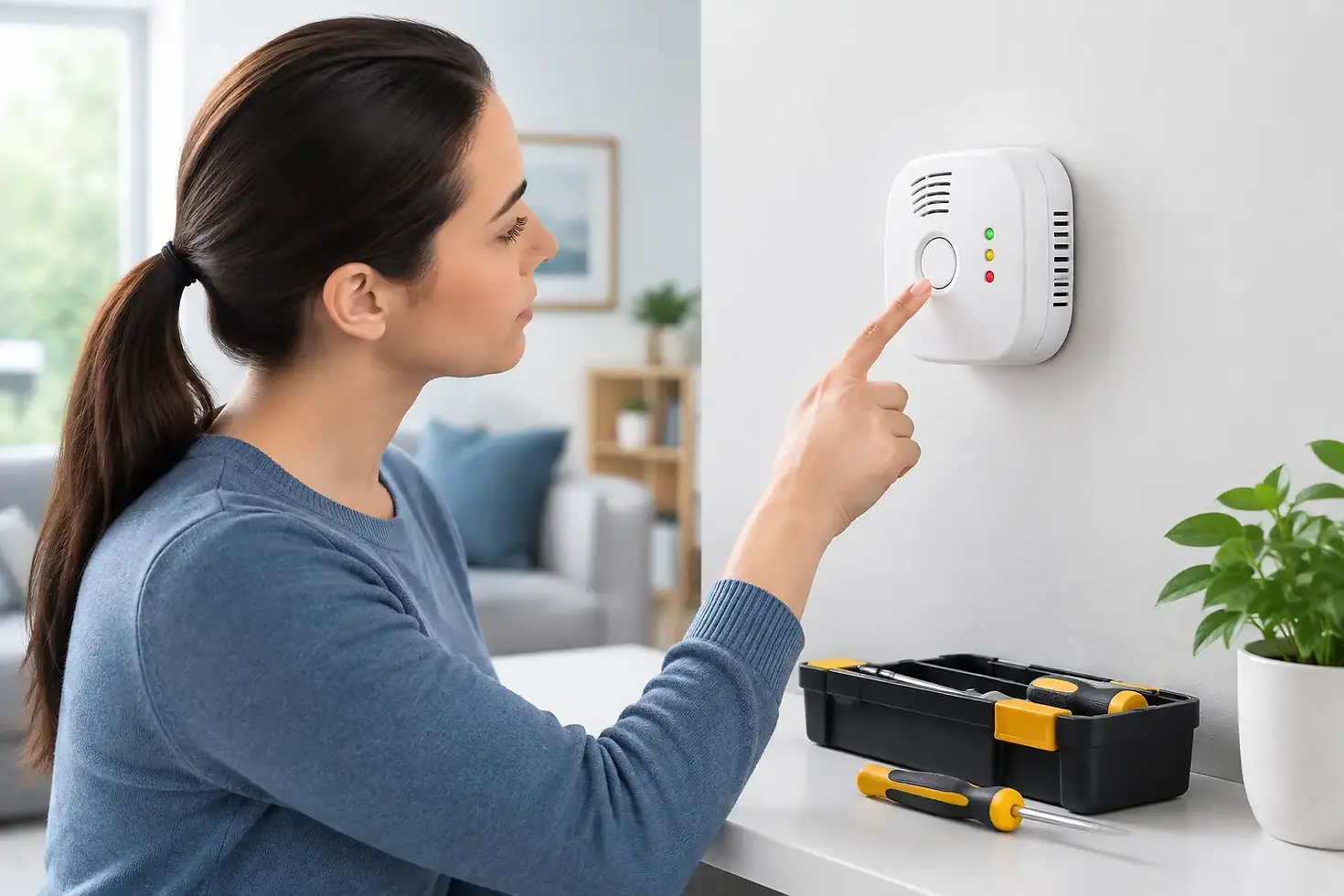
Oxygen Alarm Troubleshooting for Home Users
An oxygen alarm can feel urgent because it is. The sound may come from a loose connection, an empty backup cylinder, a blocked cannula, or an equipment issue that needs prompt service. Oxygen alarm troubleshooting should always begin with the person using oxygen, not the machine: if you are short of breath, confused, unusually sleepy, having chest pain, or your lips or fingertips look bluish, use your prescribed backup oxygen if available and seek emergency help right away.
For less urgent alarms, stay calm and work through a few safe checks. Do not change your prescribed flow setting to silence an alarm. Do not take apart the equipment, and keep all oxygen equipment away from flames, smoking, gas stoves, candles, and heat sources.
Start with the patient and the oxygen source
Before checking cords and tubing, make sure the nasal cannula is positioned correctly in the nostrils and is not pinched under bedding, a recliner, or wheelchair wheels. If a pulse oximeter has been recommended by your clinician, follow the oxygen saturation range and instructions they provided. A number on a pulse oximeter is useful context, but symptoms matter too. Cold hands, movement, nail polish, and poor circulation can affect readings.
Next, identify which device is alarming. A stationary oxygen concentrator, portable concentrator, and compressed oxygen cylinder can alert for different reasons. The exact light colors, symbols, and alarm tones vary by model, so keep the user manual nearby and follow the instructions specific to your unit when possible.
If you use a concentrator and have a backup cylinder, know where it is before an alarm happens. Check that the cylinder contains oxygen, that the regulator is attached correctly, and that family members or caregivers understand how to use it as instructed by your equipment provider. Backup equipment provides reassurance during a power outage or while a concentrator problem is being addressed.
Common oxygen alarm troubleshooting checks
Many alarms can be traced to a simple interruption in oxygen flow or electrical power. Move through these checks one at a time. If the alarm continues or you do not feel well, stop troubleshooting and contact your equipment provider.
Check the power supply
A stationary concentrator may alarm after a power outage, a loose plug, or a tripped breaker. Confirm that the unit is firmly plugged directly into a working wall outlet. Avoid extension cords and power strips unless your provider has specifically approved them for your device.
Look at nearby lamps or appliances to see whether power is out in the home. If the outlet has no power, switch to your prescribed backup oxygen source and notify your provider. Do not repeatedly turn the concentrator on and off or attempt to reset electrical components inside the unit.
For portable concentrators, check whether the battery is seated properly and has a charge. A battery alarm may mean it is time to connect to approved power or replace the battery with a fully charged one. If traveling, carry the charger and any spare battery recommended for your prescribed equipment.
Inspect the cannula and tubing
A no-flow or low-flow alarm may be caused by tubing that is bent, disconnected, or blocked. Trace the tubing from the device to the cannula. Straighten sharp bends, reconnect loose fittings, and make sure the cannula is not caught on furniture or tangled around your body.
Replace the cannula if it is visibly damaged, stiff, dirty, or wet. Moisture can collect in long tubing, especially in humid weather or when equipment is moved between temperature changes. Keep tubing off wet floors and follow your provider's guidance on routine replacement.
If you use a humidifier bottle with your stationary concentrator, make sure it is assembled correctly and filled only to the marked line with the type of water your provider recommends. A loose lid, misplaced washer, or overfilled bottle can interfere with flow. Never add oils, fragrances, or other substances to the water.
Look for airflow restrictions
Concentrators need open space around them to draw in room air and release warmth. Check that the device is upright, on a firm surface, and not pressed tightly against a wall, curtain, bedspread, or furniture. Keep it away from dust-heavy areas and avoid running it in a closed cabinet.
Some units have an external filter that needs cleaning on a schedule. Follow the instructions for your specific model. A filter that is clogged, installed incorrectly, or still damp after cleaning can contribute to alarms or poor performance. Internal filters and repairs should be handled by trained service personnel.
Check your oxygen cylinder setup
With a compressed gas cylinder, an alarm may not be the main clue that oxygen is running low. Check the pressure gauge routinely so the cylinder does not empty unexpectedly. If the gauge is low or empty, change to a full cylinder as you have been taught.
Confirm that the cylinder valve is open and the regulator is secure. If you hear hissing, smell anything unusual, see damage, or cannot get the equipment to operate normally, turn off the cylinder if it is safe to do so, move to your backup source, and call for assistance. Never use tools, lubricants, or tape on oxygen connections.
What low-oxygen alarms may mean
A low-oxygen alarm on a concentrator does not always mean the patient is receiving no oxygen, but it does mean the device may not be delivering oxygen at the concentration or performance level it is designed to provide. It can occur because of poor ventilation around the unit, a blocked filter, a device malfunction, or a service need.
Treat a persistent low-oxygen alarm seriously. First, make sure you are breathing comfortably and have backup oxygen available. Check the power, tubing, cannula, and placement of the unit. If the alarm remains after these basic checks, use the backup source according to your care plan and call your oxygen provider. Continuing to rely on a concentrator that repeatedly alarms can put your prescribed therapy at risk.
Do not assume a quiet machine is working correctly, either. Follow your prescribed equipment maintenance schedule and report new noises, unusual heat, repeated alarms, or a noticeable change in how the equipment supports your breathing.
When to call for help right away
Call emergency services if breathing difficulty is severe or worsening, if there is chest pain, fainting, confusion, blue or gray lips or skin, or if backup oxygen does not relieve symptoms as directed in your care plan. Do not drive yourself when you are struggling to breathe.
Call your equipment provider promptly when an alarm continues after basic checks, the concentrator will not restart, tubing or a regulator is damaged, a cylinder appears to leak, or you need replacement supplies. If your home loses electricity for an extended period, notify your provider as soon as you can and use your prepared backup plan.
For patients and caregivers in Northeast Alabama, a local respiratory equipment partner can be especially helpful when a problem cannot be solved over the phone. Transcend Medical can help patients understand their prescribed oxygen equipment, obtain appropriate supplies, and arrange service guidance when equipment concerns affect comfort or independence at home.
Make alarms less disruptive before they happen
The best response to an oxygen alarm starts before one sounds. Keep your provider's phone number, emergency contacts, and a simple backup-oxygen plan in an easy-to-find place. Caregivers should know the prescribed flow setting, where backup cylinders are stored, and which symptoms require emergency care.
Build a quick equipment check into your routine. Look at tubing for kinks, confirm batteries are charged, keep cylinders secured upright, and leave open space around a concentrator. During storm season, make sure backup oxygen is ready and that you have a plan for a prolonged outage.
An alarm is not an inconvenience to ignore, but it does not have to create panic. With a safe backup plan, a few careful checks, and dependable respiratory support when you need it, you can protect the comfort and confidence that oxygen therapy is meant to provide.


Comments