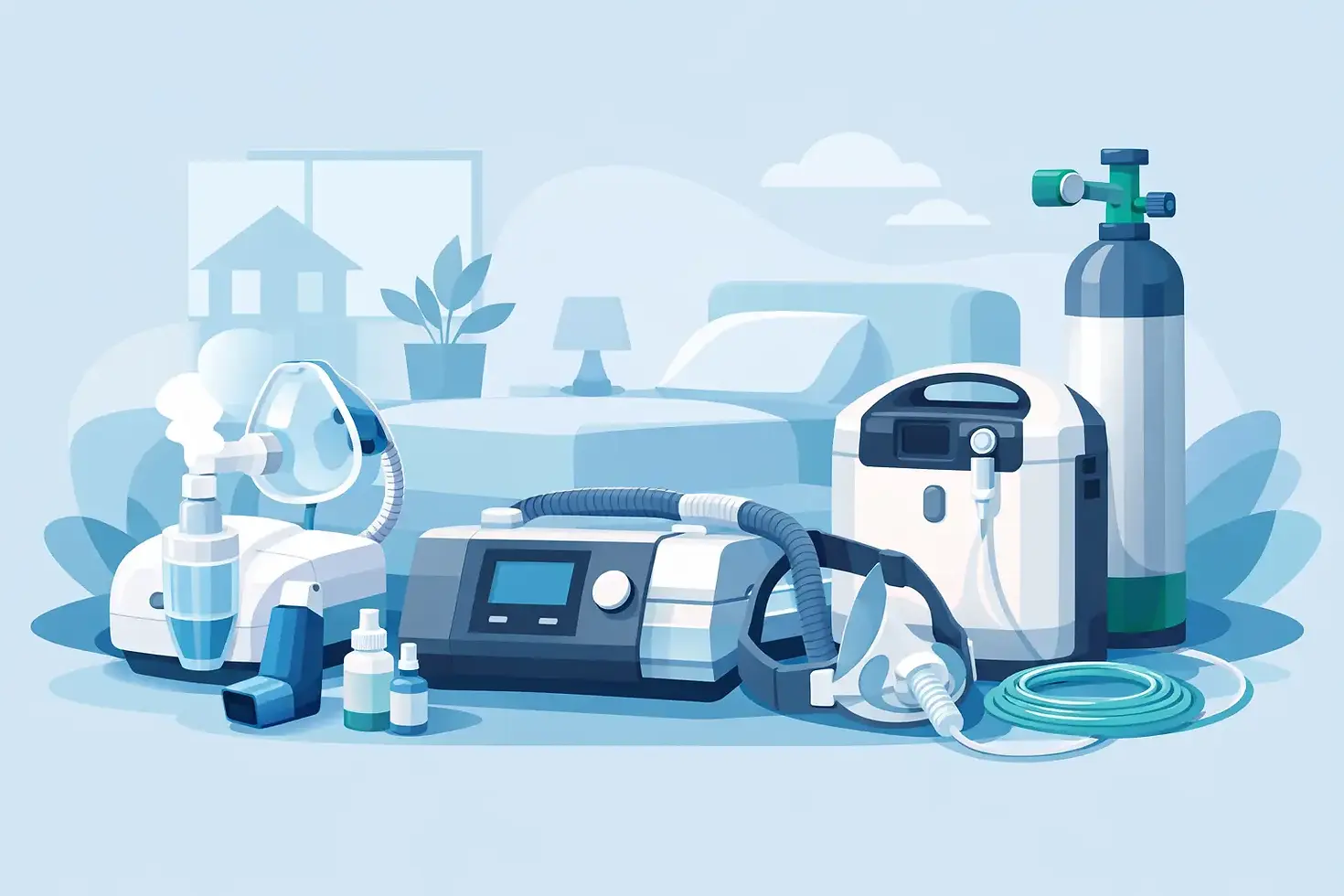
Respiratory Therapy Equipment List for Home
When breathing becomes part of your daily planning, the right equipment can change more than symptoms. A well-matched respiratory therapy equipment list helps patients and caregivers create a safer, more comfortable routine at home, with fewer disruptions and more confidence from morning to bedtime.
Home respiratory care is rarely one-size-fits-all. Someone living with COPD may need oxygen support and a nebulizer, while another person may be adjusting to CPAP therapy for sleep apnea or using non-invasive ventilation for more advanced breathing needs. That is why a good equipment list should do more than name devices. It should help you understand what each item does, when it may be used, and how it supports comfort, mobility, and independence.
A respiratory therapy equipment list starts with the main therapy device
Most home setups are built around one primary form of treatment. For some patients, that means oxygen equipment. For others, it may be sleep therapy or ventilatory support. The goal is not to collect every device available. It is to build a home care setup that fits the patient, the diagnosis, and daily life.
Oxygen concentrators
An oxygen concentrator is one of the most common home respiratory devices. It pulls in room air, concentrates the oxygen, and delivers it through tubing connected to a nasal cannula or mask. Stationary concentrators are often used in the home for longer periods of use, especially when someone needs dependable oxygen support while resting, sleeping, or moving around the house.
Portable oxygen concentrators may be helpful for people who want greater freedom outside the home. These units can support errands, family visits, church, and appointments. Not every patient is a fit for every portable model, though. Oxygen flow needs, battery life, and physician orders all matter.
Oxygen cylinders and backup oxygen
Some patients use oxygen cylinders as their main source, while others keep them as a backup. This can be especially important during travel or power outages. Backup planning is one of the most overlooked parts of home respiratory care, but it can make a major difference in peace of mind.
CPAP and BiPAP machines
Positive airway pressure devices are commonly used for sleep-related breathing disorders and some chronic respiratory conditions. CPAP provides a continuous stream of air pressure to keep the airway open during sleep. BiPAP provides two pressure levels, one for inhaling and one for exhaling, which may feel more comfortable for certain patients or be prescribed for more complex breathing support.
These devices are only as helpful as their fit and comfort. Mask type, humidity settings, and proper setup can determine whether therapy feels manageable or frustrating.
Non-invasive ventilators
For patients with more advanced chronic respiratory conditions, non-invasive ventilation may be prescribed for home use. These devices support breathing without requiring invasive airway access. They are often used when a patient needs more assistance than standard PAP therapy can provide.
This is where skilled guidance matters. Settings, follow-up, and patient education are all part of successful use, especially when caregivers are involved.
Essential accessories and supplies
A respiratory therapy equipment list is incomplete without the supplies that make treatment usable day after day. In practice, these smaller items often affect comfort just as much as the machine itself.
Nasal cannulas, masks, and tubing
Cannulas and masks deliver oxygen or airflow to the patient. The right interface depends on the therapy ordered and the patient’s tolerance. Some people do well with a simple nasal cannula, while others need a full face mask, especially during sleep therapy.
Tubing matters too. If it becomes damaged, kinked, or worn, treatment may be less effective or less comfortable. Regular replacement helps maintain performance and hygiene.
Humidifiers and water chambers
Dry air can make respiratory therapy harder to tolerate. Humidification can help reduce dryness in the nose, mouth, and throat, especially for oxygen users and PAP users. Heated humidification may also improve comfort at night and help patients stick with therapy.
Filters
Many respiratory devices rely on filters to keep air cleaner and equipment functioning properly. Filters need regular attention. A dirty or overdue filter may affect machine performance and air quality.
Nebulizer cups, mouthpieces, and masks
If a patient uses inhaled medications through a nebulizer, the delivery parts need to be kept clean and replaced as recommended. The same medication can feel much more effective when the device is working correctly and the treatment is delivered as intended.
Airway clearance and medication delivery equipment
Some patients need more than oxygen or sleep support. They may also need help moving mucus, opening airways, or delivering medications directly into the lungs.
Nebulizer machines
Nebulizers turn liquid medication into a mist that can be inhaled. They are often used for COPD, asthma, and other conditions where inhaled medication is part of the care plan. For many households, a nebulizer becomes one of the most frequently used tools in the home.
Portable nebulizers may be useful for patients who need treatments away from home or want a smaller, quieter option. Standard tabletop units are still a dependable choice for many people, particularly when routine treatments happen at home.
Suction equipment
Home suction machines may be necessary for patients who have trouble clearing secretions on their own. This equipment can help reduce discomfort and support safer breathing. It is not needed in every home setup, but when it is prescribed, proper instruction is essential for safe use.
Airway clearance devices
Some patients benefit from devices that help loosen and mobilize mucus. These may be recommended for certain chronic lung conditions or for people who frequently deal with congestion that interferes with breathing. The best option depends on the patient’s diagnosis, strength, and daily routine.
Monitoring and safety items for home use
Respiratory care at home is not just about treatment. It is also about noticing changes early and creating a safer environment.
Pulse oximeters
A pulse oximeter measures oxygen saturation and pulse rate. It can be a useful tool for monitoring trends, especially during illness, recovery, activity, or medication changes. It does not replace clinical judgment, but it can help patients and caregivers know when to contact a healthcare provider.
Oxygen safety supplies
If oxygen is used in the home, safety becomes part of the treatment plan. Signage, proper storage, and education around heat sources and smoking risks are all important. Even experienced oxygen users benefit from regular reminders because familiarity can lead people to overlook basics.
Backup power planning
Patients who rely on electrically powered respiratory equipment should have a clear backup plan. This may include backup oxygen, charged batteries for portable equipment, and a plan for outages. It is one of those details that may feel easy to postpone until it suddenly becomes urgent.
Choosing the right respiratory therapy equipment list for your situation
The best respiratory therapy equipment list is the one that matches real life. A patient who rarely leaves home may do well with a stationary setup and a straightforward supply routine. Someone who wants to stay active in the community may need a more flexible combination of portable equipment, extra batteries, and transport-friendly accessories.
Comfort should never be treated as secondary. If a mask leaks, tubing feels cumbersome, or oxygen equipment limits safe movement through the house, patients are less likely to use therapy consistently. Small adjustments can have a big effect on daily success.
Caregiver support matters too. If a family member is helping with setup, cleaning, or monitoring, the equipment should be practical for them as well. Simpler routines often lead to better long-term follow-through.
What patients and caregivers often overlook
Many families focus on the machine itself and forget the service around it. Equipment education, replacement schedules, troubleshooting, and ongoing support can make the difference between a therapy plan that works on paper and one that works at home.
It also helps to think ahead about changes in condition. A person managing mild daytime symptoms may later need nighttime support or more help during illness. Working with a provider that understands respiratory care, rather than treating it as just another product category, can make those transitions less stressful. For patients in Northeast Alabama, that local, respiratory-focused support is one reason many families turn to Transcend Medical.
Healthcare professionals often look at this from another angle. They need confidence that ordered equipment will be delivered correctly, explained clearly, and supported over time. That continuity can help improve compliance and reduce gaps in care after discharge or referral.
A practical home checklist
For many patients, the final list may include a primary therapy device, delivery accessories, cleaning and replacement supplies, monitoring tools, and safety items. That could mean an oxygen concentrator with cannulas and backup tanks, or a CPAP machine with mask, tubing, filters, and humidifier chamber. For others, it may also include a nebulizer, suction machine, or non-invasive ventilator.
The right answer depends on diagnosis, prescription, mobility, home environment, and comfort preferences. If you are unsure what belongs on your setup, that is a sign to ask questions, not to guess.
Breathing support at home should help life feel more manageable, not more confusing. With the right equipment, clear guidance, and dependable follow-up, daily care can feel steadier and more dignified - and that matters just as much as the device itself.


Comments