What Does BiPAP Therapy Do?
When breathing feels like work, even small daily tasks can become exhausting. That is usually the moment people start asking, what does BiPAP therapy do, and could it make life at home feel more manageable?
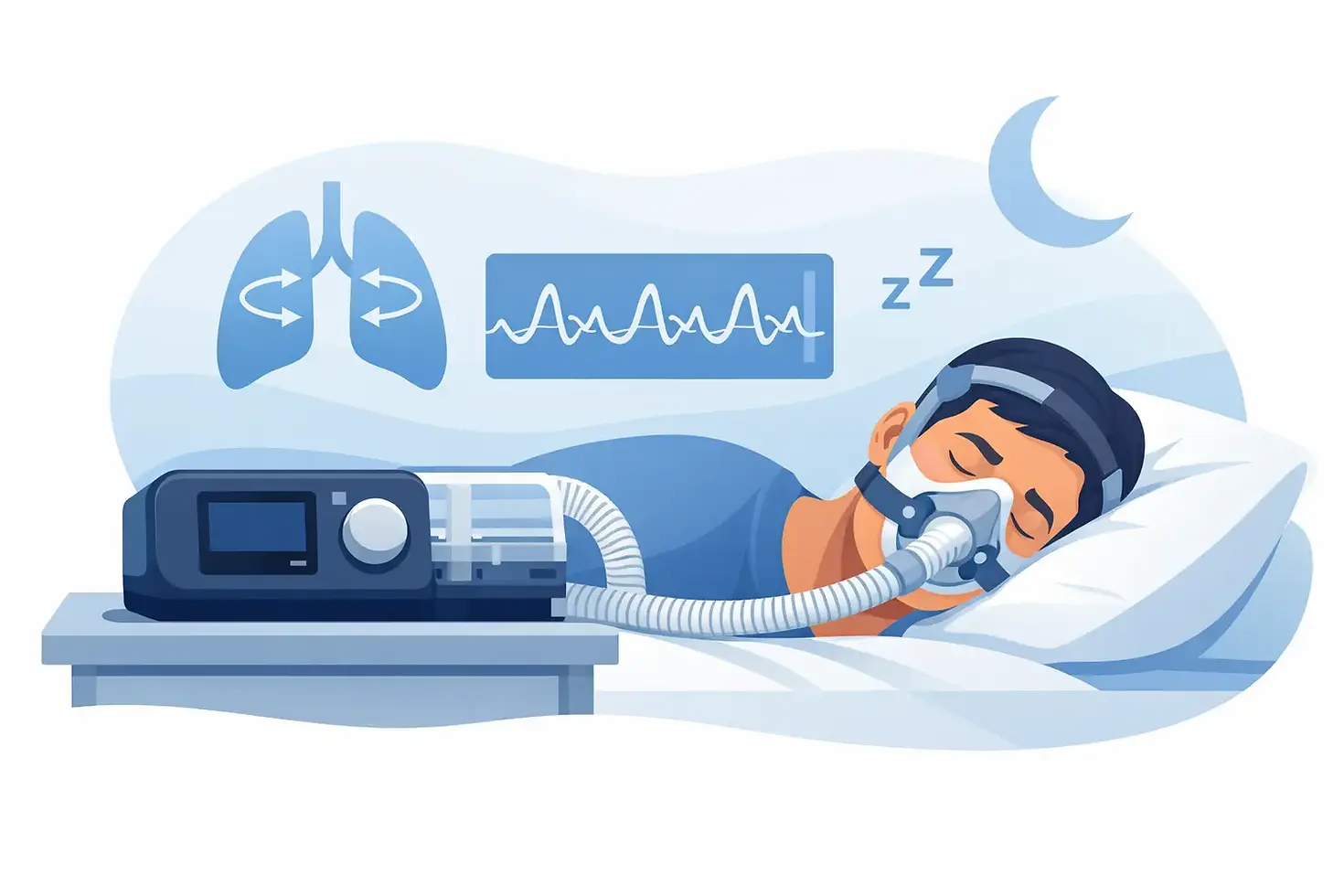
BiPAP therapy is designed to support breathing without the need for invasive procedures. It uses a machine that delivers pressurized air through a mask, but unlike simpler forms of positive airway pressure, it provides two different pressure levels. One pressure helps when you breathe in, and a lower pressure helps when you breathe out. For many patients, that difference matters because exhaling against high pressure can feel uncomfortable, especially if you already have a lung condition or weakened breathing muscles.
What does BiPAP therapy do for breathing?
At its core, BiPAP therapy reduces the strain of breathing. The higher inspiratory pressure helps move air into the lungs more effectively, while the lower expiratory pressure makes it easier to breathe out. That combination can improve ventilation, reduce the feeling of air hunger, and help the body clear carbon dioxide more efficiently in certain patients.
This is one reason BiPAP is often used for people with chronic respiratory conditions. If the lungs are not moving air well enough, or the breathing muscles are working too hard, support from a BiPAP machine can make each breath more effective. Some people notice they wake up less tired. Others feel less short of breath during the day because their body has had better support overnight.
BiPAP is not a cure for lung disease or sleep-disordered breathing. It is a therapy that helps manage the effects of those conditions. For patients living with COPD, neuromuscular weakness, or certain forms of sleep-related breathing problems, that support can make a meaningful difference in comfort and daily function.
How BiPAP works during sleep and rest
Many people use BiPAP at night because breathing problems often become more noticeable during sleep. When the body relaxes, airway collapse or shallow breathing can worsen. That may lead to poor oxygen levels, retained carbon dioxide, frequent waking, morning headaches, or unrefreshing sleep.
BiPAP can help by maintaining more consistent airflow and reducing the effort needed to breathe while sleeping. In some cases, this means fewer breathing interruptions. In others, it means better ventilation, especially for patients whose challenge is not just airway blockage but also weak or ineffective breathing.
The practical benefit is not always dramatic on the first night. Some patients adjust quickly and feel relief right away. Others need time to get used to the mask, pressure settings, and bedtime routine. That is normal. Comfort and fit matter just as much as the machine itself, because therapy only helps when a patient can actually use it consistently.
Why two pressure levels matter
The two-pressure design is what sets BiPAP apart. A higher pressure during inhalation can help open the lungs and support deeper breaths. A lower pressure during exhalation can make breathing feel more natural and less forced.
For someone with a condition that causes labored breathing, that lower exhale pressure may be the difference between tolerating therapy and giving up on it. It can also be helpful for patients who need more breathing assistance than CPAP typically provides. The right choice depends on the diagnosis, the prescribed settings, and how the patient responds.
Conditions that may benefit from BiPAP therapy
BiPAP is commonly associated with sleep-related breathing issues, but its role is broader than many people realize. It may be prescribed for obstructive sleep apnea in patients who struggle with CPAP or need higher pressures. It is also used in some cases of central sleep apnea, chronic respiratory failure, COPD, obesity hypoventilation syndrome, and certain neuromuscular disorders.
What all of these situations share is a problem with adequate breathing support. Sometimes the issue is airway obstruction. Sometimes it is poor ventilation. Sometimes it is both. That is why the answer to what does BiPAP therapy do depends somewhat on the person using it.
For a patient with COPD, BiPAP may help reduce the work of breathing and improve overnight ventilation. For someone with sleep apnea, it may help keep breathing more stable through the night. For a person with neuromuscular weakness, it may provide needed support when breathing muscles tire.
That does not mean BiPAP is right for every breathing problem. It is a prescribed therapy, and the settings need to match the patient's medical needs. More pressure is not automatically better. The goal is effective support with the best possible comfort and safety.
What does BiPAP therapy do for comfort and quality of life?
This is often the most important question for patients and caregivers. Beyond the clinical explanation, people want to know whether BiPAP can help them feel better and stay more independent.
For many patients, the answer is yes, but the benefits can show up in different ways. Better-supported breathing at night may lead to improved sleep quality, fewer morning symptoms, less daytime fatigue, and better stamina for normal routines. Some people feel more alert. Some notice they are less anxious about nighttime breathing. Caregivers may also feel reassured knowing there is a prescribed support system in place.
There are trade-offs, though. BiPAP therapy can take some adjustment. Masks may feel awkward at first. Dryness, skin irritation, air leaks, or discomfort with pressure can happen, especially in the beginning. Those challenges do not mean therapy has failed. They usually mean something needs to be adjusted, such as the mask type, humidification, fit, or settings under a clinician's guidance.
A dependable home respiratory equipment provider can make a real difference here. Ongoing support often matters more than patients expect because success with BiPAP is rarely just about receiving the machine. It is about learning how to use it comfortably in everyday life.
Signs BiPAP may be helping
Improvement can look different from one person to another. Some common signs include sleeping more soundly, waking up with fewer headaches, feeling less winded after rest, or noticing better daytime energy. In patients who retain carbon dioxide, medical follow-up may also show objective improvement.
Still, progress is not always immediate. If a patient feels worse, cannot tolerate the machine, or continues having major symptoms, that should be discussed with the prescribing provider. The answer may be a different mask, different settings, or a closer look at whether another form of support is needed.
Common questions patients and families have
One of the biggest concerns is whether using BiPAP means a condition has become severe. Sometimes it does indicate a need for more structured breathing support, but it does not automatically mean a person is in crisis. In many cases, BiPAP is used specifically to improve stability, prevent worsening symptoms, and help patients stay safer and more comfortable at home.
Another concern is whether BiPAP is the same as a ventilator. They are related but not identical. BiPAP is a form of non-invasive ventilation delivered through a mask. It supports breathing without the need for an invasive airway. For some patients, this is an effective long-term home solution. For others, needs may change over time based on their condition.
Families also ask whether it is hard to use. There is a learning curve, but most patients can become comfortable with the right instruction and follow-up. The equipment should fit into real life, not add confusion to an already stressful situation.
Getting the most from BiPAP therapy at home
The best results usually come from a mix of accurate prescription settings, a well-fitted mask, consistent use, and practical support. Patients often do better when they understand what the machine is trying to accomplish and what is normal during the adjustment period.
It also helps to pay attention to comfort early. If the mask leaves sore spots, if the air feels too dry, or if the pressure feels overwhelming, those details matter. Small corrections can make therapy much easier to stick with. Waiting too long to address problems often leads to frustration and reduced use.
For patients in home care settings, continuity matters. A local team that understands respiratory equipment can help troubleshoot issues before they turn into setbacks. That kind of support is especially valuable for older adults, people with chronic lung disease, and family caregivers managing multiple parts of care at once.
BiPAP therapy does one very practical thing - it helps some people breathe more effectively when their body needs support. That may sound simple, but when better breathing leads to better sleep, more comfort, and a little more confidence getting through the day, it can change what home life feels like.


Comments