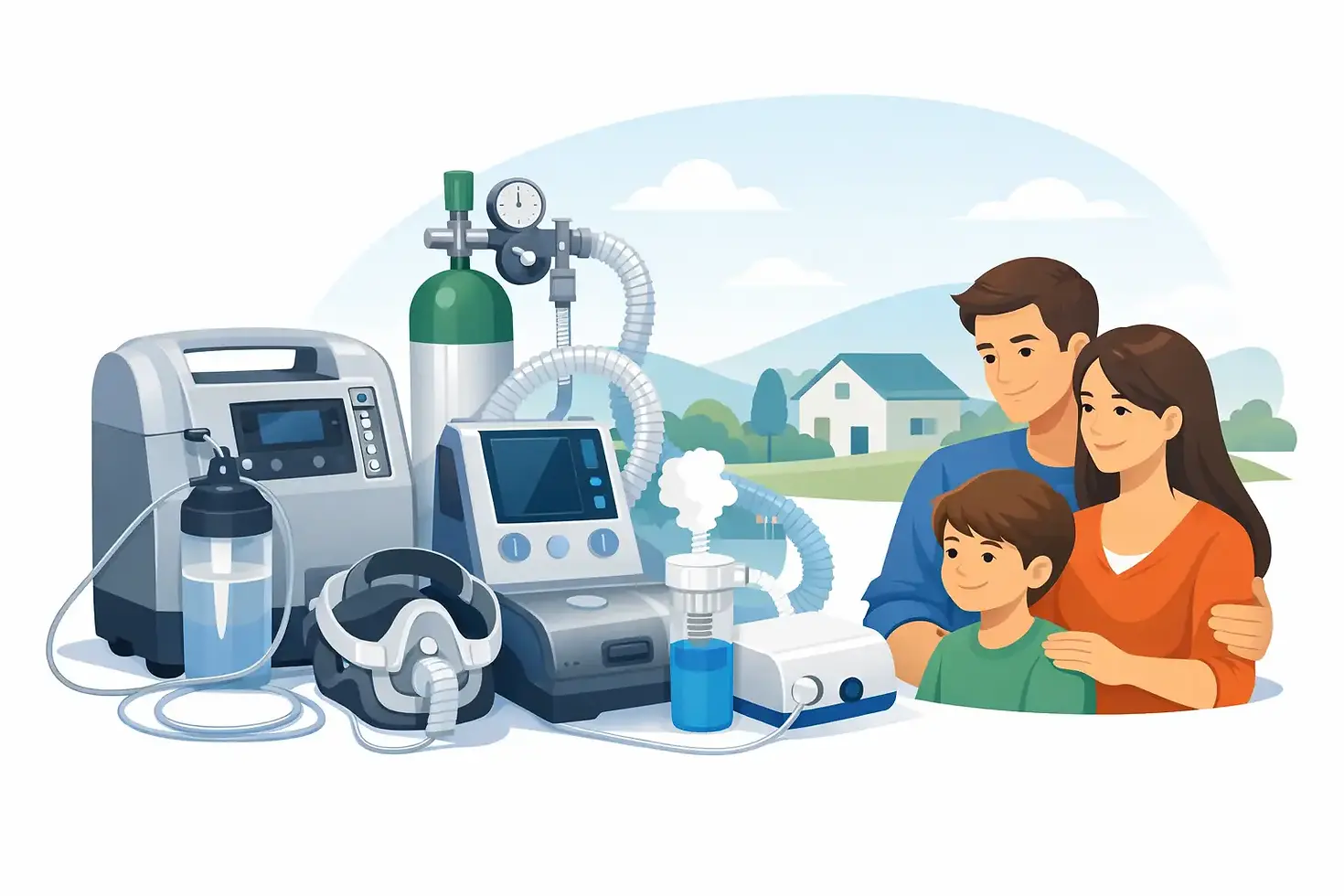
Respiratory Equipment Jackson County Families Need
Updated: Sep 7
A difficult morning with COPD or another breathing condition is rarely just about getting out of bed. It can mean managing oxygen tubing, remembering medications, dealing with fatigue, and wondering whether a new symptom is serious. The right respiratory equipment Jackson County patients use at home can make those routines safer, more comfortable, and more manageable—especially when it comes with knowledgeable guidance and dependable follow-up.
Home respiratory care is not one-size-fits-all. A person who needs oxygen while walking may need something very different from someone using non-invasive ventilation overnight. Family caregivers also need equipment that fits into real life: devices that can be understood, maintained, and used with confidence.
Respiratory Equipment in Jackson County for Home Care
Respiratory equipment is most helpful when it supports the care plan created by a patient's physician or respiratory clinician. The goal is not simply to place a device in the home. It is to help a person breathe with greater comfort, protect their energy for the moments that matter, and remain as independent as their condition allows.
For people living in Jackson County, access to a local respiratory-focused provider can reduce some of the stress that comes with managing chronic illness. Questions about masks, tubing, supplies, device alarms, and proper setup often arise after a patient returns home, not during a brief hospital discharge conversation. Having a knowledgeable local resource matters when caregivers need practical answers.
Transcend Medical supports patients and healthcare professionals with respiratory-focused home equipment and service in Northeast Alabama. That local connection can be particularly valuable for large home equipment needs, including home oxygen and ventilator support, where delivery, setup, and continued coordination are part of a safe transition home.
Common Types of Home Respiratory Support
A prescription and clinical assessment determine which equipment is appropriate. Still, understanding the general role of each option can help patients and families have more productive conversations with their care team.
Oxygen Equipment
Supplemental oxygen may be prescribed for people whose blood oxygen level is too low because of COPD, pulmonary fibrosis, severe pneumonia recovery, or other conditions. Depending on the prescription and lifestyle needs, home oxygen support may include a stationary concentrator, portable equipment for travel outside the home, oxygen cylinders, or accessories such as cannulas and tubing.
Comfort and safety matter as much as the device itself. Tubing should be routed to reduce trip hazards, and oxygen should be kept away from open flames, smoking materials, gas stoves, candles, and other heat sources. Patients should follow their prescribed flow setting exactly. Adjusting oxygen without clinical direction can create problems rather than relief.
Non-Invasive Ventilation
Non-invasive ventilation, often called NIV, provides breathing support through a mask rather than an invasive airway. It may be used for certain patients with chronic respiratory failure, COPD with elevated carbon dioxide levels, neuromuscular conditions, or other physician-diagnosed needs.
Mask comfort has a major effect on whether a patient can tolerate therapy. A mask that leaks, presses painfully against the face, or causes dryness can make a useful treatment feel impossible. Small adjustments to fit, headgear, humidification, and routine cleaning can make a meaningful difference. Patients should report persistent discomfort, new skin irritation, or repeated alarms to their care team or equipment provider rather than simply stopping prescribed therapy.
Sleep Therapy Equipment
Sleep apnea can affect more than nighttime rest. Untreated sleep-disordered breathing may contribute to daytime sleepiness, headaches, difficulty concentrating, and strain on overall health. CPAP or BiPAP therapy may be prescribed after appropriate testing and clinical evaluation.
Many people struggle during the first weeks of sleep therapy. That does not necessarily mean the treatment is wrong for them. Sometimes the issue is a mask style, dry mouth, a poor seal, or uncertainty about cleaning and replacement supplies. Consistent support can help patients work through those barriers and build a routine that is easier to maintain.
Nebulizers and Related Supplies
A nebulizer turns prescribed liquid medication into a mist that can be inhaled into the lungs. It may be used by people with COPD, asthma, bronchiectasis, or other conditions when ordered by a clinician. Proper cleaning and drying are essential because moisture left in cups, tubing, or accessories can create hygiene concerns.
Patients should ask for clear instructions on which parts need routine cleaning, when accessories should be replaced, and how to store the device. A nebulizer is a practical home tool, but it works best when the medication plan and maintenance routine are both followed carefully.
Choosing Equipment Around Daily Life
The right respiratory setup should account for more than a diagnosis. It should reflect how a person sleeps, moves through the house, attends appointments, and receives help from family. A retired adult living alone may prioritize simple operation and clear emergency contacts. Someone caring for a spouse may need training that makes setup and routine checks feel less intimidating.
Before equipment arrives, it helps to think through where it will be used. Is there a dependable electrical outlet near the bed or favorite chair? Can oxygen tubing reach without crossing a doorway? Is there room to keep equipment stable, clean, and away from children or pets? For portable needs, does the patient understand the plan for appointments, family gatherings, and power interruptions?
These are not minor details. They shape whether prescribed equipment becomes a dependable part of life or a source of daily frustration.
Questions Caregivers Should Ask
Caregivers often become the person who notices subtle changes first. They may see that a loved one is using equipment less often, sleeping poorly, becoming more short of breath during ordinary tasks, or having trouble managing supplies. Open communication with the prescribing clinician and respiratory equipment provider can help address issues early.
Ask who to contact for setup questions, supply needs, and device concerns. Confirm how to clean equipment and how often parts should be replaced. Review what alarms mean, what to do during a power outage, and when symptoms require a call to the medical team. It is also wise to keep the medication list, prescription details, and emergency contacts in an easy-to-find location.
Equipment does not replace medical attention during a breathing emergency. Severe shortness of breath, blue or gray lips or face, confusion, chest pain, inability to speak in full sentences, or a sudden decline in alertness require urgent medical help. Families should follow their clinician's emergency instructions and call 911 when symptoms suggest an immediate emergency.
Reliable Support Makes Home Care More Sustainable
The best equipment experience includes education, not just delivery. Patients deserve to understand what their device does, how it supports their care plan, and what to do when something does not feel right. Caregivers deserve the same clarity.
For healthcare professionals, a responsive local respiratory partner can also support smoother discharge planning and better continuity after a patient returns home. Matching prescribed equipment to the patient's home environment, mobility needs, and ability to use the device helps create a more realistic path forward.
Living with a chronic breathing condition asks a great deal of patients and families. The right home support cannot remove every challenge, but it can create more room for rest, connection, and the everyday independence that makes home feel like home.
Conclusion
In conclusion, having the right respiratory equipment is crucial for managing conditions like COPD. It can significantly enhance daily life and provide the comfort and independence that everyone deserves. We are here to help you navigate these choices and ensure you have the support you need. Remember, you are not alone on this journey.
If you have any questions or need assistance, please reach out to us. We are a local home-owned medical equipment provider that strives to give compassionate personal care to finding solutions to help improve our patients' quality of life.


Comments